Eight Legged Architects: Spider Silk and Shelter

Nature At Work

Strength and Flexibility. Construction work done right at its ultimate level.

Spider webs serve different purposes. The most well known is that a spider web is created to attract its prey. Think big and you get big results. The larger the web the more promise at snagging insects. The spider web is comparable to steel, relative to weight. Efficient in gathering food using its glandular sticky silk for trapping or wrapping its prey yet, can be energetically consuming in the production of protein required to make silk.

Hydration. Droplets of glue form orb weaver spiders sticky webs. Self-made hydrogel aggregate of organic and non-organic compounds and water produce this glue. Humidity keeps the silk soft and tacky.

Sustainability. Spiders are able to ingest and digest their silk and recycle it.

Spider Web Production Inspiration.

Flexible, light, strong and water resistant: Medical devices, parts, supplies are created for products that need to be stretchy and/or sticky such as, artificial tendons, ligaments, implants, sutures, adhesives and bandages. Protein in spider aides in textile design and protective products such as body armor (bullet proof vests), athletic helmets and airbags due to its flexibility and its lightweight abilities.

Spiders are natural born contractors, structural master engineers and architects. Always changing, adapting to its environment and redesigning to produce the best functional design that serves its purpose. Architecture is about adapting to the environment, design and function. Mother nature offers her little workers in order to produce and sustain their habits and to capture their food. As architects we learn from nature and the spider web has allowed for us to study and incorporate its strength and beauty in the building industry in providing strong and sustainable shelter without compromising the environment. What we must remember is to be conscious and not to destroy or deplete our natural resources and maintain ecological balance. There is structure all around our natural habitat.

Architecture and Nature

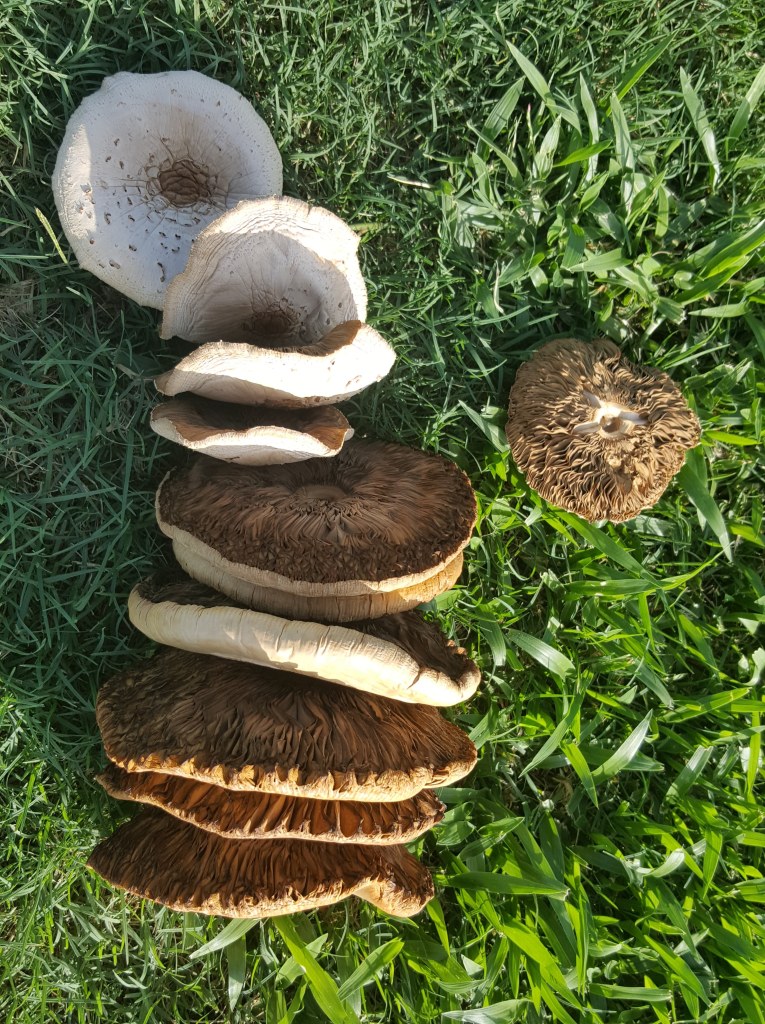
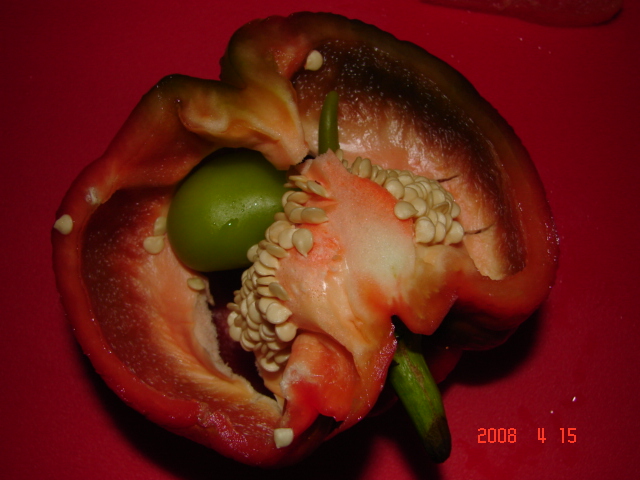
Architecture teaches us to observe. To the architect a camera is a great tool. It allows you to see what the naked eye may observe but the camera details. To look for what nature provides so that ideas and design are created in producing a great building. Part of the architectural process is to see these things, for all around us creativity is abundant. From the inside of a red pepper a cozy seating area, the interior of a cave or even the shape of a floor plan may be evident. From an exotic flower with holes, patterns for exterior cladding or simply a funnel may be created for light to pass through thereby, forming an interesting light pattern on a wall. Wild mushrooms may shape what is to be of a modern roof top and the formation of several mushroom patches along a green field can be the embodiment for what is to be a community of buildings with rounded roof structures and how they may be laid out. Architecture is an art and to have an intent behind what you design is good practice for a successful project to manifest. There is no limit to the generosity that nature bestows upon us. This is why I can never get bored creating for that is the beauty architecture gives me and how the architect produces our environment. The Golden Ratio allows for the composition to be aesthetically pleasing. By placing elements you see you can divide the subject in perfect proportions by using the Golden mean, the Golden spiral and the Golden Triangle. Something present in all we see in nature.

Illusion

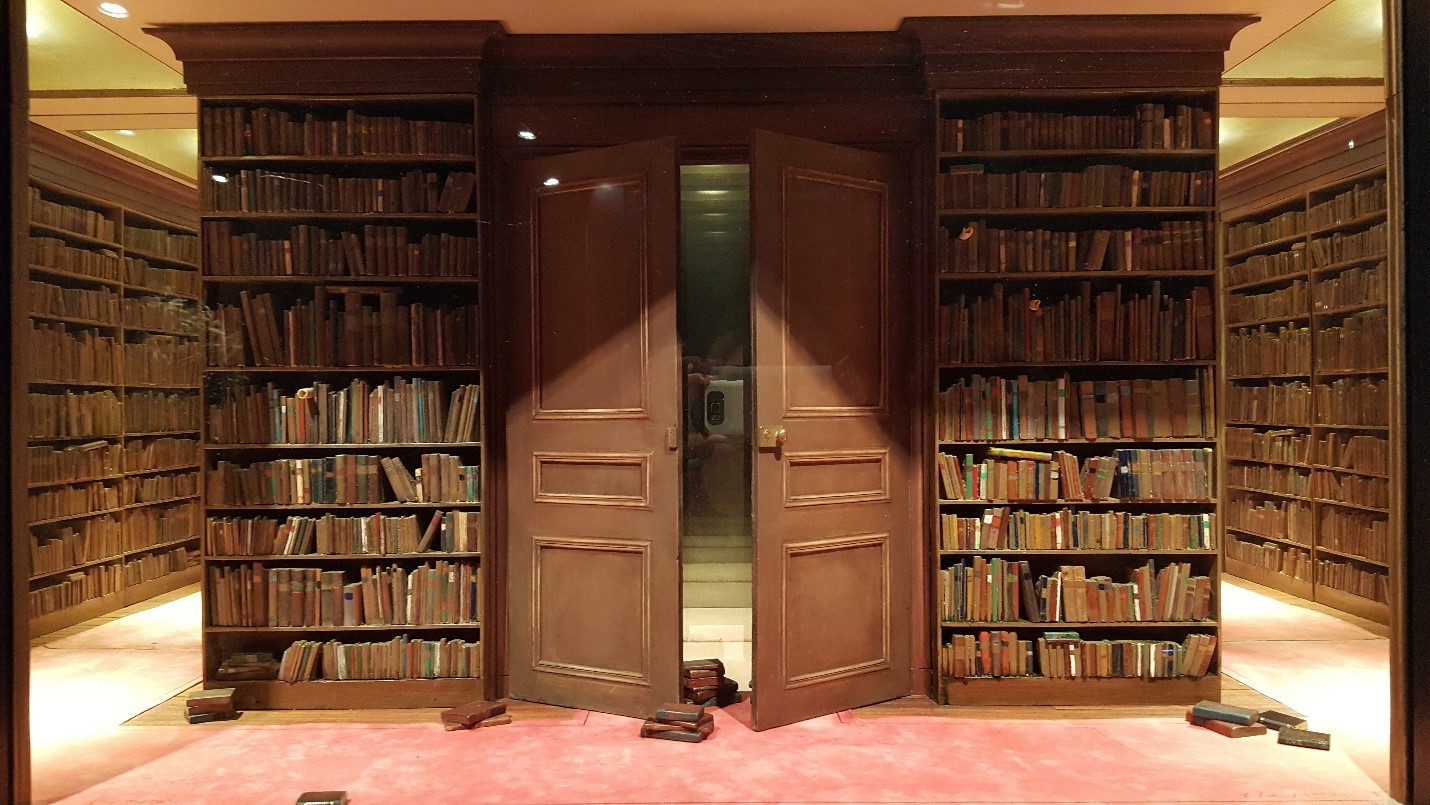
library wall

Our eyes make of what we wish to see.

We see a library full of literature and education.

Doors partially opening inviting us to come in and experience this knowledge.

However, this is nothing more than an architectural model, within a picture frame, of a library with fake books and two passages at either side leading nowhere except the imaginary.  An optical illusion.

They are mirror reflections giving us a false perception of reality.

Our lives are filled with illusions. What is real and what is not.  It is easy to be mislead.

After all, life is an illusion!